Recent strikes on Iranian universities and research centres mark a concerning escalation in the ongoing conflict involving the United States and Israel, with academic institutions increasingly caught in the line of fire. According to reporting by CNN, multiple universities have been damaged, fuelling fears that higher education sites are becoming a new frontline in the war.
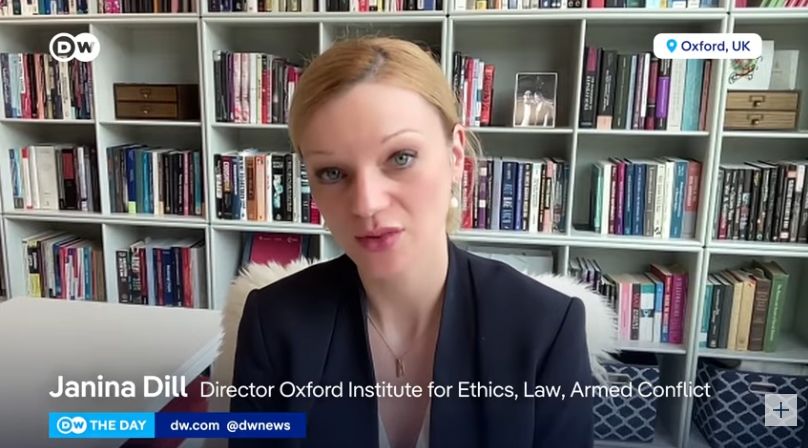
Professor Janina Dill, Dame Louise Richardson Chair in Global Security at the Blavatnik School of Government and Co-Director of the Oxford Institute for Ethics, Law and Armed Conflict, has highlighted the serious implications under international law.
Commenting on the strikes, Dill emphasises that international humanitarian law requires parties to armed conflict to distinguish between military objectives and civilian objects, and to take all feasible precautions to avoid harm to civilians. Attacks on educational institutions raise acute legal concerns, particularly where there is uncertainty about whether such sites qualify as legitimate military targets.
The reported damage to universities follows earlier incidents involving civilian infrastructure, including schools, which have prompted broader debate about proportionality and targeting practices in the conflict. Experts note that even in cases of misidentification, failure to adequately verify a target could constitute a serious violation of international law.
As the conflict continues, Dill warns that the erosion of protections for civilian spaces—including places of education—risks undermining the normative framework that governs armed conflict. The targeting, or incidental destruction, of universities not only endangers lives but may also have long-term consequences for scientific development and civil society.
Read more from Janina on this topic via her LInkedIn post.